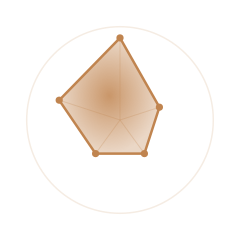
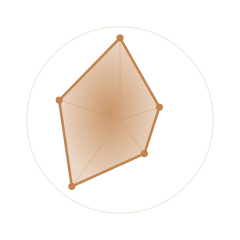
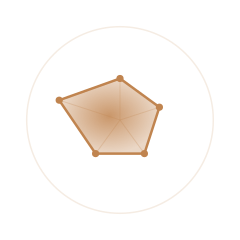
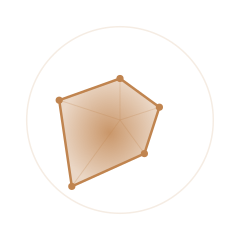
There is a particular feeling that arrives when nothing in front of you is interesting enough to hold you, and yet you cannot quite bring yourself to do anything about it. The meeting that has lost its point. The evening that stretches ahead with nothing in it. The task you have done a hundred times and could do asleep. Boredom is not laziness — it is a signal, a quiet alarm telling you that your attention has nowhere good to go. The trouble is what we do once it sounds. Some of us reach for a phone. Some of us reach for the door. And some of us sit in it far longer than is good for us, certain that something will turn up.
What bores you fastest, and where the restlessness drives you, tracks closely with personality. One person cannot bear repetition — the same routine, the same faces, the same conversation — and at the first dull stretch they are already inventing a new plan, a new project, a reason to begin again. Another barely notices repetition but withers under a lack of meaning; give them a familiar task that clearly matters and they are content for hours, yet a busy day of pointless motion leaves them hollow. Same flat feeling; entirely different cause. And the cure that rescues one — novelty, movement, a fresh challenge — would only exhaust the other, who needs depth, not change.
These guides take that difference seriously. There is one for each of the sixteen archetypes — written by hand, not stamped from a formula — covering what bores them fastest, what they do with the restlessness, and where it tends to lead them.
Read about yourself, or about someone whose fidgeting you have never quite understood.
If you do not yet know your archetype, the free test takes about five minutes — then find your type below.
Common questions about How They Handle Boredom
Why do I get bored so easily?
Often it comes down to how much stimulation your brain has learned to expect. If your days are usually fast or varied, anything slower can feel flat by comparison, and your attention starts hunting for the next thing. Tiredness, low mood and unrewarding tasks all lower the threshold too. Some people are simply wired to crave more change and challenge than others, so a pace that suits one person leaves another fidgeting.
Is being bored a bad thing?
Not at all — it is one of the more useful uncomfortable feelings you have. A dull stretch is your mind flagging that your current focus is not paying off, which can nudge you towards rest, a better problem, or a long-overdue change. Constant boredom may point to a poor fit at work or home, but the odd flat hour is healthy and even sparks creativity. How quickly people reach for relief varies from person to person.
How can I stop feeling bored without reaching for my phone?
Try giving your hands and attention a small, real task before the habit kicks in: tidy one drawer, step outside, stretch, or jot down whatever is on your mind. Scrolling tends to numb the feeling rather than resolve it, so you end up bored and a little hollow. Something mildly demanding — a walk, a sketch, a conversation — usually lifts the mood faster. The cure that works best differs depending on what you actually find dull.
What is the difference between boredom and laziness?
Laziness is choosing not to act when you could; boredom is wanting to engage but finding nothing worth engaging with. They look alike from the outside, yet the inner experience is opposite — one is reluctance, the other is restless hunger for something better. Calling a bored person lazy usually misreads them entirely. People are pulled towards different things, so what bores one person stone-cold can quietly absorb another for hours.
Why do I feel bored even when I have lots to do?
A long list is no guarantee of interest. If the tasks are repetitive, unclear in purpose, or disconnected from anything you care about, your mind can switch off mid-motion and leave you flat despite being busy. It is the meaning, not the quantity, that holds attention. Reordering your day around what genuinely matters often helps more than simply adding activity. Some people need novelty to stay engaged, while others need a clear reason.