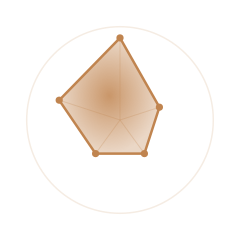
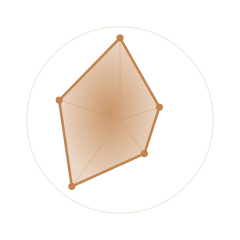
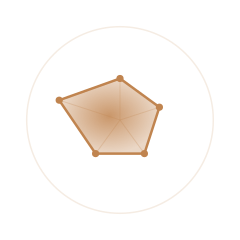
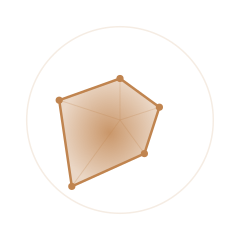
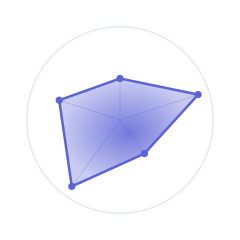
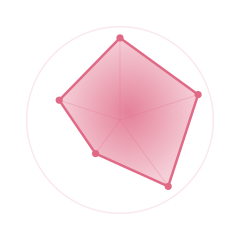
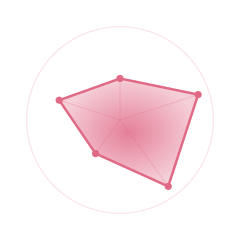
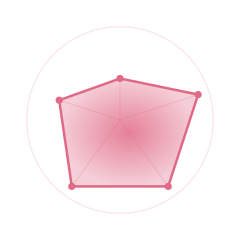
How Each Personality Archetype Carries Their Charisma
You have walked into rooms and felt them tilt slightly towards you, and you have walked into others and felt yourself dissolve into the wallpaper — and you have never been entirely sure which version is the real you. Charisma is a slippery thing to own. Some days you seem to pull people in without trying; other days you try far too hard and watch it curdle. The truth most of us never quite say aloud is that we all carry a presence of some kind — a particular way of changing the temperature of a space — and the trouble is only that we measure ours against a borrowed idea of what magnetism is supposed to look like.
The way you draw people in tracks your personality far more than your effort does. One type fills a room the moment they enter — loud, warm, impossible to ignore, the gravity everyone orbits without deciding to. Another barely registers at first, then becomes the still centre everyone drifts towards as the evening softens, the one whose quiet attention feels like being properly seen for the first time all night. One dazzles. The other steadies. Neither is the correct way to be magnetic; they are simply different doorways into the same human pull.
These guides take that seriously. There is one for each of the sixteen archetypes — written by hand, not stamped from a formula — covering the exact shape of their presence, what draws people in, and where their magnetism quietly costs them.
Read it about yourself and recognise your own gravity on the page — or read it about someone who has always pulled at you, and finally understand why.
If you do not yet know your archetype, the free test takes about five minutes. Then find your type below.
Common questions about Their Charisma
Can charisma be learned, or are you born with it?
Mostly learned, despite how effortless it looks from the outside. Studies on presence point to a handful of teachable habits: full attention on the person in front of you, warmth in your face and tone, and a settled, unhurried manner. A few people start with a natural head start, yet anyone can grow theirs with practice. How easily it comes does vary from one personality to the next.
Why do some people find me charming and others don’t?
Because magnetism is rarely universal. The qualities that delight one person — playfulness, intensity, a dry wit — can read as too much or too cool to someone wired differently. You are not being inconsistent; you are simply landing in different ways for different temperaments. Rather than trying to win everyone, it helps to notice the company in which you feel most easily yourself.
What is the difference between charisma and confidence?
Confidence faces inward: it is how steady and capable you feel in your own skin. The pull people feel from you faces outward: it is the effect you have on others, the warmth and ease they sense in your company. The two often travel together, but not always. Plenty of quietly self-assured people draw nobody in, while some deeply uncertain souls light a room beautifully.
Is it normal to feel like I lose my charisma when I’m tired or stressed?
Entirely normal, and almost everyone experiences it. Presence runs on spare energy — the attention, patience and openness it asks for all dry up when you are depleted or on edge. On those days you naturally turn inward and have less to give outward. The remedy is rest rather than effort; forcing brightness while exhausted tends to feel strained to the people around you anyway.
How do I become more magnetic without seeming fake?
Build outward from something true rather than performing a borrowed style. Get genuinely curious about people and ask real questions; let yourself be a touch more expressive than feels comfortable; and slow down so others feel met rather than processed. Authenticity reads as warmth, whereas imitation reads as effort. The version of presence that lasts is the one shaped around who you actually are.
Builders
Practical, dependable minds who turn ideas into something real and lasting.
Any inquiryTests, your result, your report or a payment. A real person replies, usually within two working days.
How can we help? Pick a quick answer, or write to us below.
Quick answers
Our own test: 30 quick questions, about three minutes, free and with no sign-up. At the end you get your archetype — one of 16 — and a profile of how you think, love, work and grow.Take the free test →
Every type has its own in-depth profile: strengths, blind spots, careers, relationships and compatibility with the other 15. Read them free, before or after you take the test.Browse all 16 types →
Seventeen free tests in all — Big Five, Enneagram, DISC, career, attachment style, emotional intelligence, conflict style, love style, leadership, introvert-or-extrovert and more. Instant results, no account needed.Start with Big Five →
The Full Report is eleven long chapters written for your own archetype — untapped strengths, honest blind spots, love, friendship, home, work and money, and a 30-day growth plan — plus the whole thing as a PDF to keep. It is offered on your result page once you have taken the test.
Results are saved in the browser you took the test in. On a new phone, or after clearing history, use the restore prompt at the bottom of any page and enter the email you saved or paid with.
Thank you, we have your message.
Your reference:
We reply to your email, usually within two working days.
Need to add an order ID or more detail? Use the full page.