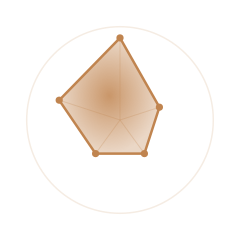
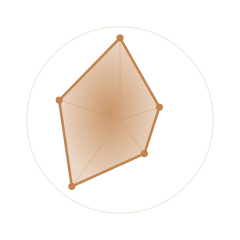
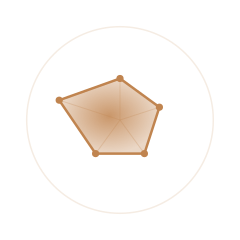
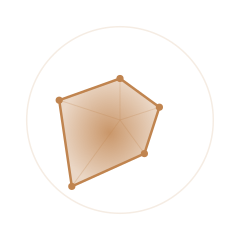
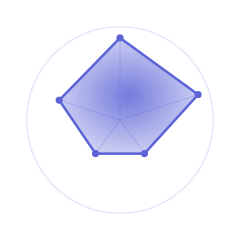
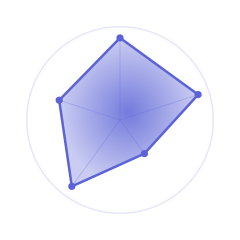
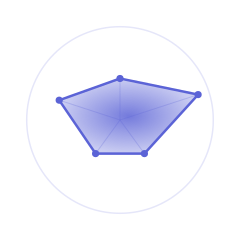
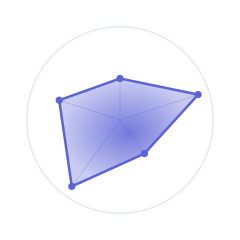
There is a particular moment — a scoreboard, a promotion, a friend’s good news — when you suddenly find out how competitive you really are. Some people feel it as a clean jolt of energy, a reason to lean in. Others feel a flicker of something they would rather not admit to, and then a quick scramble to look gracious. And a few feel almost nothing at all, and spend the rest of the day wondering why everyone else seems so wound up about who came first. Whatever you felt, it was honest, and it was deeply you.
Competitiveness runs along the lines of personality. One person competes out loud — they want the contest named, the winner declared, the rematch scheduled — and a worthy rival is the best thing that could happen to their week. Another competes silently and only against themselves, quietly horrified by anyone who turns a friendship into a leaderboard, yet privately keeping a far stricter scorecard than the loud one ever would. Same fire, two completely different shapes: one points it outward at the world, the other turns it inward and calls it standards. And what each type competes over — status, mastery, being right, being needed, being free — is just as telling as how loudly they do it.
These guides take competition seriously as something personal. There is one for each of the sixteen archetypes — written individually, not stamped from a formula — covering whether they compete openly, quietly, or barely at all, what they actually compete over, and how winning and losing truly land for them.
Read about yourself, or about someone whose drive has always puzzled you — a partner, a sibling, that maddeningly relaxed friend.
If you do not yet know your archetype, the free test takes about five minutes. Then find your type below.
Common questions about How Competitive They Are
Why am I so competitive about everything?
Often it traces back to how you learned to feel valued — if approval once came from winning, achieving, or being best, your mind keeps reaching for that proof. A strong drive can be a real asset when aimed at goals you actually care about. The trick is noticing when the contest is yours or one you have invented. People differ a lot here, and neither extreme is a flaw.
Is it normal to feel jealous when a friend succeeds?
Yes, completely. That small pang does not make you a bad friend; it usually means their win has touched something you quietly want for yourself. The healthier move is to let the feeling pass without acting on it, then offer genuine warmth. Some people barely register others’ achievements, while others measure themselves against everyone, so your reaction says something about your wiring, not your worth.
How do I stop comparing myself to other people?
Start by noticing the moment it happens, often when scrolling or hearing news, and gently name it rather than spiralling. Comparison tends to weigh your messy inside against someone’s polished outside, which is never fair. Setting your own markers of progress helps enormously. If you are the type who runs a private scorecard against yourself, redirecting that standard towards your own past self, not strangers, can be a relief.
What is the difference between being competitive and ambitious?
Ambition is about reaching a goal you have set; competitiveness is about coming out ahead of someone else. They overlap, but the difference matters. You can be fiercely ambitious and barely notice rivals, or competitive over things you do not truly want simply because someone else has them. Knowing which one is driving you helps you choose contests worth your time and ignore the rest.
Can being too competitive damage relationships?
It certainly can, especially when scorekeeping creeps into friendships, partnerships, or family, where people want a teammate rather than an opponent. The warning signs are quiet resentment, conversations that feel like contests, and joy at others’ setbacks. Channelling that drive towards shared wins, or towards your own standards, keeps it healthy. How loudly someone competes varies by temperament, but everyone benefits from keeping the people they love off the leaderboard.