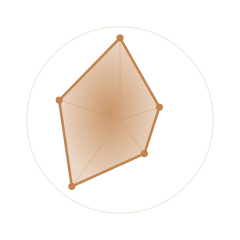
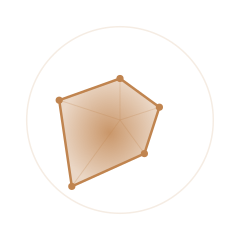
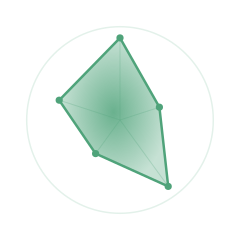
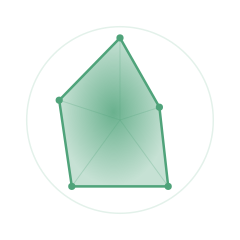
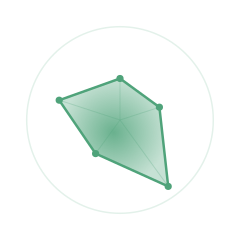
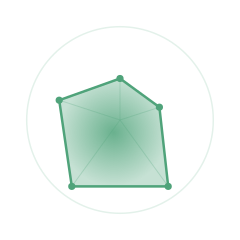
Watch closely the next time you tell someone they did something well. Some people light up and say thank you as though you have handed them a small gift. Others laugh it off, point out the flaw you missed, or hand the credit straight back to someone else — anything rather than simply let it land. A compliment is meant to be the easiest thing in the world to receive, and yet for a great many of us it arrives like a question we are not quite sure how to answer. The way you handle that moment says more about you than almost any answer you could give on purpose.
It plays out differently depending on the person in front of you. One kind of person takes praise at face value and lets it warm them, untroubled by whether they fully earned it, glad simply to be seen. Another hears the same words and immediately starts hunting for the catch — was it real, was it kind, do they want something — because praise that goes unexamined feels unsafe to trust. One absorbs; the other interrogates. Both want to be valued, and both quietly suspect, in different ways, that being valued is a thing that has to be deserved before it can be believed.
Each of the sixteen archetypes has its own guide below — whether they deflect, absorb, or distrust praise, why they do it, and what a genuine compliment actually does to them inside.
Read about yourself to understand why kind words land the way they do, or about someone you know to learn how to praise them so it is actually received. If you do not yet know your archetype, the free test takes about five minutes.
Common questions about How They Take Compliments
Why do I feel uncomfortable when someone compliments me?
Praise puts you briefly at the centre of attention and asks you to agree with a positive view of yourself, which can clash with how you privately see things. For many people there is also a worry about seeming big-headed if they simply accept it. The discomfort is common and rarely means anything is wrong; some temperaments just feel exposed by being noticed more than others.
Is it normal to not believe compliments?
Quite a lot of people quietly doubt kind words, especially if they grew up with little praise or plenty of criticism. The brain learns to treat unexpected approval as something to check rather than enjoy. It is normal, though it can wear thin over time. Noticing the habit and choosing to take one compliment at face value is usually enough to start loosening it.
How do I learn to accept compliments gracefully?
Keep your response small and sincere: a simple thank you, perhaps a brief reason you appreciate it, then let the moment pass without batting it back. Resist the urge to correct the person or list your faults. It feels unnatural at first, almost like fibbing, but practice makes it ordinary. Treating praise as information about how you affect others, rather than a verdict, takes the pressure off.
What does it mean when someone deflects a compliment?
Usually it signals modesty, a touch of self-doubt, or a wish not to look like they are fishing for more. Handing the credit elsewhere can also be a way of sharing the warmth or easing their own awkwardness. It rarely means they did not value what you said. If you want it to land, keep the praise specific and give them a beat before changing the subject.
What is the difference between accepting and absorbing a compliment?
Accepting is the outward act of receiving kind words politely rather than brushing them off. Absorbing goes a step further: you actually let the words sink in and shift how you feel about yourself, even slightly. Plenty of people manage the first while quietly resisting the second. Some natures soak up praise easily and let it warm them, while others stay courteous on the surface yet keep it at arm’s length inside.
Builders
Practical, dependable minds who turn ideas into something real and lasting.
Any inquiryTests, your result, your report or a payment. A real person replies, usually within two working days.
How can we help? Pick a quick answer, or write to us below.
Quick answers
Our own test: 30 quick questions, about three minutes, free and with no sign-up. At the end you get your archetype — one of 16 — and a profile of how you think, love, work and grow.Take the free test →
Every type has its own in-depth profile: strengths, blind spots, careers, relationships and compatibility with the other 15. Read them free, before or after you take the test.Browse all 16 types →
Seventeen free tests in all — Big Five, Enneagram, DISC, career, attachment style, emotional intelligence, conflict style, love style, leadership, introvert-or-extrovert and more. Instant results, no account needed.Start with Big Five →
The Full Report is eleven long chapters written for your own archetype — untapped strengths, honest blind spots, love, friendship, home, work and money, and a 30-day growth plan — plus the whole thing as a PDF to keep. It is offered on your result page once you have taken the test.
Results are saved in the browser you took the test in. On a new phone, or after clearing history, use the restore prompt at the bottom of any page and enter the email you saved or paid with.
Thank you, we have your message.
Your reference:
We reply to your email, usually within two working days.
Need to add an order ID or more detail? Use the full page.