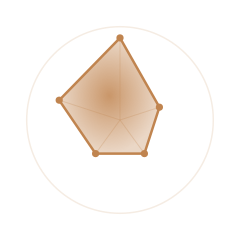
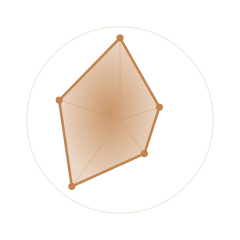
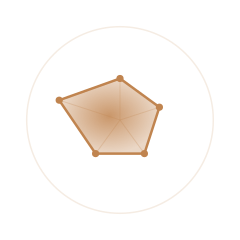
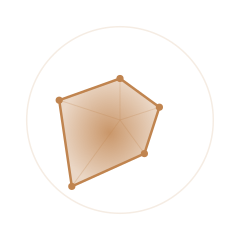
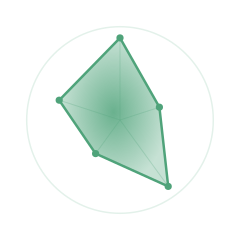
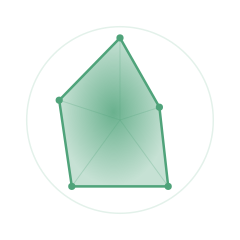
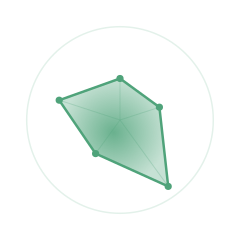
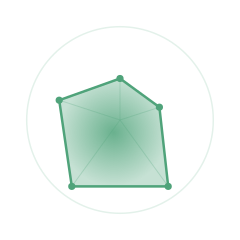
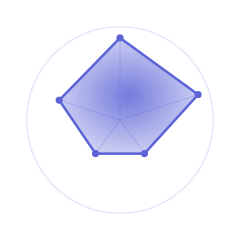
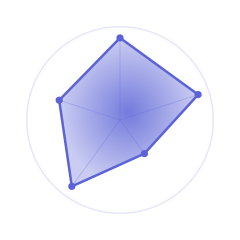
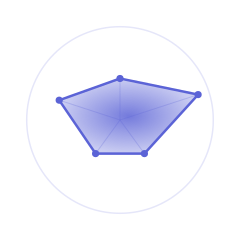
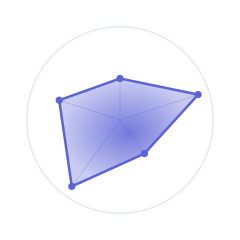
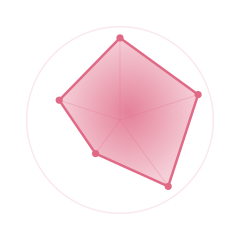
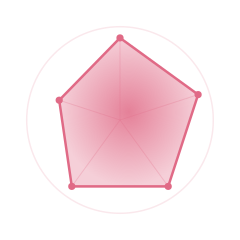
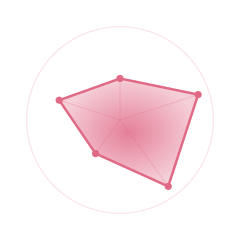
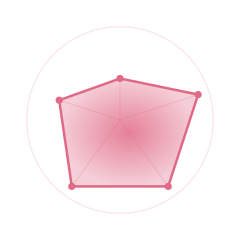
There is a private worry that almost everyone who makes anything carries quietly: the suspicion that they are not really creative — not in the way that counts. You look at someone who fills sketchbooks or improvises out loud or dreams up ten wild ideas before breakfast, and you decide that whatever you do is something lesser. But you have simply never seen your own kind of originality named. The blank page that paralyses one person is the playground another lives for, and the fact that yours doesn’t look like theirs has never meant you haven’t got one.
Creativity runs along the lines of personality. Where your fresh ideas actually come from, the conditions you need to do your best work, and the particular thing that jams the machine — all of it tracks your type. One person creates by gathering: they read widely, collect, connect distant things, and need quiet, unhurried time before anything good arrives — rush them and the well runs dry. Another creates by moving: they think out loud, make a mess, throw out twenty rough attempts to find the one that lives, and go flat the moment they’re asked to plan it neatly first. Neither is the creative one. They are simply original in opposite directions, each with a signature block — the gatherer who never feels ready to begin, the mover who can’t sit still long enough to finish.
These guides take creativity seriously as something personal. There is one for each of the sixteen archetypes — written individually, not stamped from a formula — and each covers the same honest ground: where that type’s originality comes from, the conditions they need to make their best work, and the blocks that quietly stop them.
Read about yourself, or about someone whose way of making things has always puzzled you — a partner, a collaborator, a friend who works nothing like you do — and a great deal tends to fall into place.
If you do not yet know your archetype, the free test takes about five minutes. Then find your type below, and learn how you were actually built to create.
Common questions about How They Create
Why am I not creative?
The honest answer is that you almost certainly are — you’ve just been measuring yourself against the wrong yardstick. Making things doesn’t only mean painting or writing; solving an awkward problem, planning a trip, cooking without a recipe all count. People express originality in very different ways, so if yours is quiet or practical, it can be easy to overlook entirely.
Is it normal to feel creatively blocked?
Completely, and it happens to nearly everyone who makes things regularly. A block is usually a signal rather than a verdict — you might be tired, rushing, frightened of getting it wrong, or simply working in conditions that don’t suit you. The kind of block you hit tends to follow your wider temperament, so what frees one person can quietly trap another.
How do I become more creative?
Start by lowering the stakes. Give yourself permission to make something deliberately rough, and do it often, because volume teaches you far more than waiting for inspiration. Feed your mind with things outside your usual field, then let ideas mingle. Above all, notice the conditions in which good thoughts actually arrive for you, and protect them.
What does it mean to be a creative person?
It mostly means a habit of seeing things differently and a willingness to try the unproven version. Creative people aren’t a separate species blessed at birth; they’re those who keep asking “what if” and then bother to find out. It shows up in countless forms, from inventing systems to telling stories, and it can be grown deliberately at any age.
What’s the difference between being creative and being talented?
Talent is a natural head start at a particular skill, whereas creativity is the willingness to make something new with whatever you’ve got. The two often get muddled, but plenty of original work comes from people with ordinary raw ability and an unusual way of thinking. Talent may open the door faster; creativity is what you do once you’re through it.