There is a particular sting that arrives unannounced — a friend’s holiday photos, someone’s effortless promotion, a stranger who simply seems to have an easier life than yours. For a second you want what they have, and almost in the same breath you feel slightly ashamed of wanting it. That is envy, and almost nobody talks about it honestly. It is not the fear of losing something you hold; it is the ache of seeing something you don’t, and quietly suspecting you should. Whatever you felt in that moment was human, and it was deeply you.
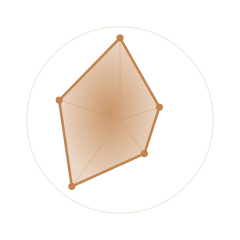
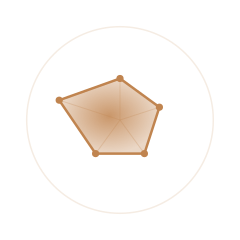
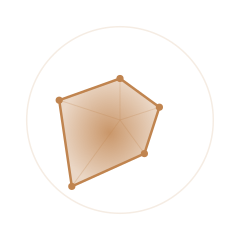
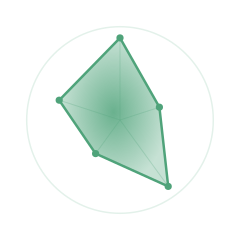
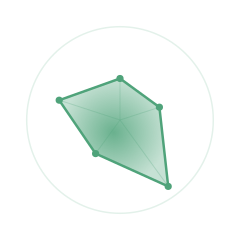
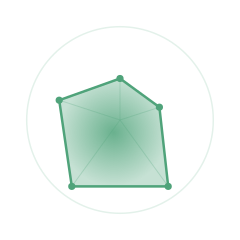
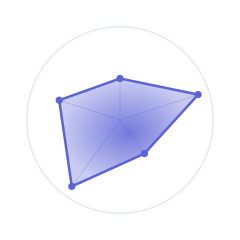
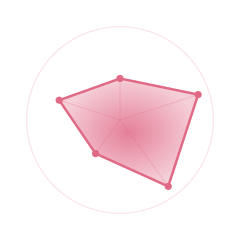
Envy runs along the lines of personality. One person feels it and turns it into fuel — they name the thing they want, study how the other person got it, and let the discomfort push them forward. Another feels the same pang and buries it instantly, because admitting envy feels like admitting inadequacy; so it curdles inward into a low, corrosive resentment they would never confess to. One is honest about wanting more and uses it; the other denies it and lets it quietly sour. Same flash of longing, two completely different fates — and what each type envies most, whether success, ease, looks, or a whole life that looks lighter than theirs, is just as telling as what they do with it.
These guides take envy seriously, and without judgement. There is one for each of the sixteen archetypes — written individually, not stamped from a formula — covering what triggers it, whether they admit it, and how it drives or corrodes them.
Read about yourself, or about someone whose comparisons have always puzzled you.
If you do not yet know your archetype, the free test takes about five minutes. Then find your type below.
Common questions about How They Handle Envy
Is it normal to feel envy of your friends?
Yes, and it is far more common than people let on. The closer someone is, the more naturally you measure your life against theirs, so friends tend to trigger it most. Feeling a pang does not make you a bad friend; acting on it coldly would. Some people register the feeling openly while others barely notice they are doing it.
Why do I feel envy even when I have a good life?
Because envy responds to comparison, not to your actual circumstances. You can be content and still feel a sting when someone has the one specific thing you quietly want. A full life rarely silences that particular ache, since the mind fixes on the gap rather than the whole. Where your eye lands first often reflects what you most value.
How do you stop letting envy turn into resentment?
Name what you are actually envying, out loud or on paper, before it hardens. Resentment grows in the dark of unadmitted feeling, so honesty starves it. Then ask whether the thing is something you could realistically pursue, admire, or simply let go. People who own the feeling early tend to convert it into motivation rather than slow bitterness.
What does it mean if you never feel envy?
It usually means one of two things: either you genuinely compare yourself to others very little, or you feel the pang and suppress it so fast you never register it. The second is far more common than people admit. A complete absence of the feeling is rare, so it is worth gently checking which version is yours.
What is the difference between envy and jealousy?
Envy is wanting something another person has that you lack, whereas jealousy is the fear of losing something you already hold, usually a relationship or position. One looks outward at a gap; the other guards a possession. People mix the words up constantly, yet they behave quite differently and tend to show up in very different moments.
Questions people actually type
Why am I jealous of my friends?
Because they are the accurate comparison — similar start, similar chances, different result. That stings in a way a stranger's success never does, and it does not make you a bad friend.
How do I stop comparing myself to everyone?
You mostly cannot stop the comparison; you can change the sample. Feeds are edited highlight reels measured against your ordinary Tuesday, and cutting the input does more than any amount of self-talk.
Is envy always a bad thing?
No — it is information about what you want, which is often genuinely useful. It turns corrosive only when it becomes about them having less rather than you having more.
Why do I feel bad when other people succeed?
Usually because you are quietly scoring yourself against a timetable. The feeling tends to fade when you have something of your own in progress — envy is loudest in a stalled year.