How Each Personality Archetype Spends Free Time: Hobbies
There is a particular kind of contentment you feel when you’re finally doing the thing — the tinkering, the long walk, the half-finished project spread across the kitchen table — and the rest of the world goes quiet. Other people might glance at it and shrug, or wonder why on earth you’d spend a Sunday like that. But it isn’t really about the activity at all. It’s about the feeling it gives back to you: the small, reliable refuge that nobody assigned and nobody can take. You may never have asked why that pursuit, of all the ones on offer, is the one that pulls. The answer is more patterned than it looks.
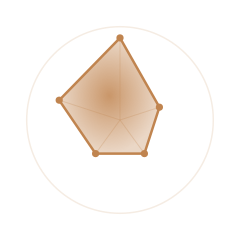
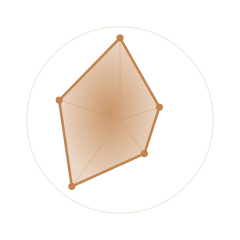
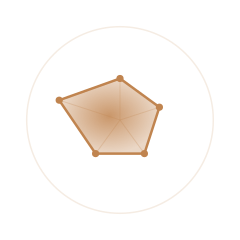
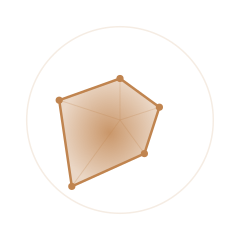
What we’re drawn to in our free time tracks personality closely. One person unwinds by going inward and getting absorbed — a craft, an instrument, a slow-building skill they can return to alone, where progress is quiet and entirely their own. Idle chatter exhausts them; mastery restores them. Another comes alive in the opposite direction: they want movement, novelty, other people, a pursuit that throws them somewhere new every week. Sit them still with a single solitary project and they go restless within the hour. Neither has the better life. They are simply seeking different things from the same precious hours — depth on one side, variety on the other — and chasing the wrong kind leaves you flat without quite knowing why.
These guides take leisure seriously. There is one for each of the sixteen archetypes — written individually, not stamped from a template — covering what that type is genuinely drawn to, what those pursuits give them, and how they tend to throw themselves into a passion.
Read about yourself, or about someone whose weekends have always baffled you a little — and a lot of it starts to make sense.
If you don’t yet know your archetype, the free test takes about five minutes. Then find your type below.
Common questions about Their Hobbies & Interests
Why do I lose interest in hobbies so quickly?
For most people, dropping a pastime isn’t laziness — it’s that the early thrill of learning something new fades once the steep climb flattens out. The novelty was doing a lot of the work. Try noticing whether you crave fresh challenges or settled mastery; some of us are wired to start things, others to deepen them, and knowing which you are saves a lot of guilt.
Is it normal to have no hobbies at all?
Plenty of people go through stretches with no real pastime, often when work, caring duties or sheer tiredness swallow the free hours. It’s common and rarely a sign anything is wrong. The quieter cost is missing the small recharge that absorbing activity gives. Start absurdly small — ten unhurried minutes — and let curiosity, rather than pressure, decide what sticks.
How do I find a hobby I’ll actually enjoy?
Think back to what absorbed you as a child before anyone graded it, and follow that thread rather than chasing whatever looks impressive. Sample a few things cheaply before committing money or equipment. Notice which leave you calmer and which leave you wired, because that tells you a great deal. People tend to thrive on either depth or variety, so pick towards your natural pull.
Why do my partner and I have such different hobbies?
Differing tastes in free time usually trace back to what each of you needs to feel restored — quiet and inwardness for one, movement and company for the other. That mismatch isn’t a fault line; it’s simply two temperaments recovering in their own way. The healthiest couples protect each other’s separate pursuits and find one or two shared ones, rather than insisting both enjoy the same thing.
What does it mean if someone has too many hobbies?
Juggling lots of interests can mean a genuinely curious mind that’s happiest with breadth, dipping into many things rather than perfecting one. It only becomes a problem when nothing ever gets finished and the constant starting masks a reluctance to sit with anything difficult. Ask whether the variety feels nourishing or scattered — that honest answer matters far more than the number itself.
Builders
Practical, dependable minds who turn ideas into something real and lasting.
Any inquiryTests, your result, your report or a payment. A real person replies, usually within two working days.
How can we help? Pick a quick answer, or write to us below.
Quick answers
Our own test: 30 quick questions, about three minutes, free and with no sign-up. At the end you get your archetype — one of 16 — and a profile of how you think, love, work and grow.Take the free test →
Every type has its own in-depth profile: strengths, blind spots, careers, relationships and compatibility with the other 15. Read them free, before or after you take the test.Browse all 16 types →
Seventeen free tests in all — Big Five, Enneagram, DISC, career, attachment style, emotional intelligence, conflict style, love style, leadership, introvert-or-extrovert and more. Instant results, no account needed.Start with Big Five →
The Full Report is eleven long chapters written for your own archetype — untapped strengths, honest blind spots, love, friendship, home, work and money, and a 30-day growth plan — plus the whole thing as a PDF to keep. It is offered on your result page once you have taken the test.
Results are saved in the browser you took the test in. On a new phone, or after clearing history, use the restore prompt at the bottom of any page and enter the email you saved or paid with.
Thank you, we have your message.
Your reference:
We reply to your email, usually within two working days.
Need to add an order ID or more detail? Use the full page.