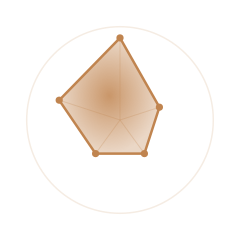
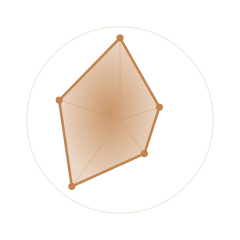
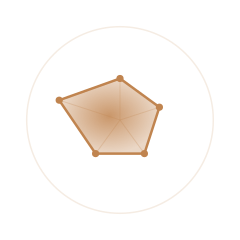
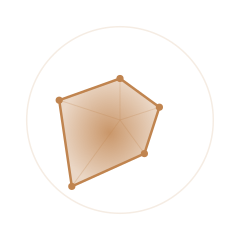
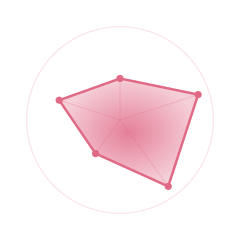
There is a moment you know well. Someone offers to help, genuinely and kindly, and your first instinct is to say no, I’ve got it — before you have even worked out whether you have. You would rather carry the heavy thing alone, solve the problem alone, fall apart alone if it comes to that. Leaning on people feels like a small surrender, and self-reliance has become so much a part of you that you barely notice the cost: the times you needed a hand and refused it on reflex, the people who stopped offering because you always seemed fine. You have never quite asked yourself whether you are independent because you want to be, or because depending on anyone once let you down.
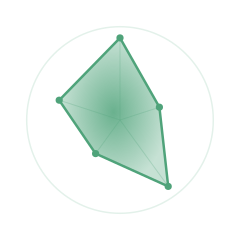
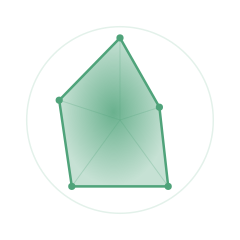
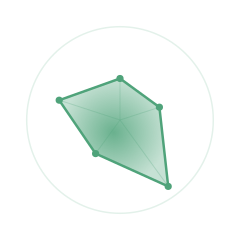
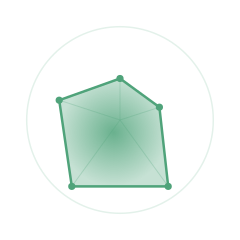
How much autonomy you need, and what it quietly costs you, runs deep along the lines of personality. One person treats independence as the whole point — they want no one’s permission, no one’s oversight, and they would sooner struggle in private than be managed in public; their freedom is real, and so is the loneliness hiding inside it. Another is comfortable being woven into others, drawing strength from the people around them, but loses the thread of who they are the moment they are left to stand alone. One over-relies on themselves; the other over-relies on everyone else. Both are simply trying to feel safe.
These guides take that need seriously. There is one for each of the sixteen archetypes below — written individually, not stamped from a formula — naming where a type’s self-reliance is genuinely its strength, and where it quietly closes the door on the very people who would have stayed.
Read about yourself, or about someone you love who insists, always, that they are fine on their own.
If you do not yet know your archetype, the free test takes about five minutes. Then find your type below.
Common questions about How Independent They Are
Why do some people value their independence so much?
For many, self-reliance grew out of a time when leaning on others did not pay off, so doing things alone started to feel safer and more predictable. It can also be a point of pride, a way of proving you can cope without being a burden. Personality plays its part too: some people simply feel most themselves when no one is steering the boat.
Is it normal to need a lot of alone time and space?
Yes, entirely. Wanting stretches of solitude to recharge, think or just breathe says nothing about how much you care for the people in your life. Some of us refill our energy in quiet rooms rather than crowded ones, and that need is healthy rather than cold. It only becomes worth a second look when the space starts shutting everyone out for good.
How can I become more independent without pushing people away?
Start by separating the wish to stand on your own from the habit of refusing every offer of help. You can build your own skills, finances and confidence while still letting someone in when it matters. Tell the people close to you what you are working towards, so your reaching for autonomy reads as growth rather than a quiet door closing in their face.
What does it mean if someone is fiercely independent?
It usually means they would rather handle a struggle privately than hand any of it over, and they bristle at being managed or rescued. Underneath that strength there is often a real fear of being let down or owing anyone. It is a genuine asset, though it can tip into loneliness when the habit of coping alone stops them asking even when they badly need to.
What is the difference between being independent and being emotionally distant?
Independence is about handling your own life capably; distance is about holding people at arm’s length from your inner world. You can be wholly self-sufficient and still warm, open and easy to reach. The trouble starts when self-reliance quietly hardens into never showing a need, so others assume you are fine and gradually stop offering. One is a strength; the other is a wall.