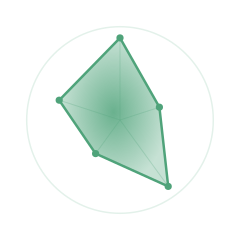
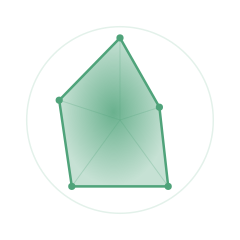
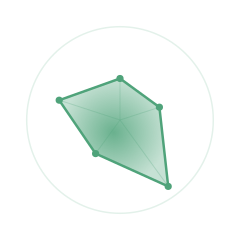
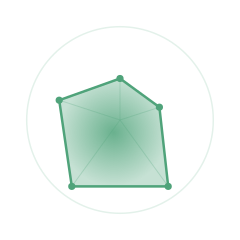
There is a strange double life inside being alone. Some evenings the empty flat feels like a held breath finally let out — no one to read, no face to arrange, just the quiet handing you back to yourself. And then, without anything changing, the very same silence can turn against you: the room grows too large, the hours sag, and you find yourself refreshing a screen for a voice that isn’t coming. If you have ever loved your own company and feared it in the space of a single day, you are not unstable. You have simply met the thin, moving line between solitude and loneliness — and it sits in a different place for everyone.
How much aloneness you need, and when it curdles, tracks your personality closely. One person treats solitude as the main repair: they need long, undisturbed stretches to think and feel like themselves again, and too much togetherness — however warm — slowly frays them. For them, loneliness rarely comes from being alone; it comes from being unseen in a crowd. Another can manage solitude in small doses but wilts in it past a certain point, growing flat and untethered without the hum of other people. Their cure is not a closed door but an open one. Same word, “alone” — opposite weather inside.
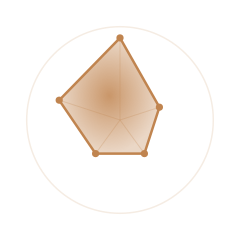
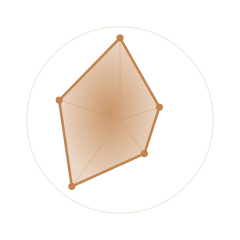
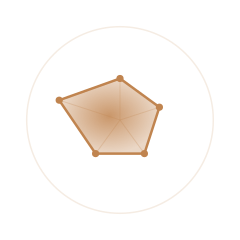
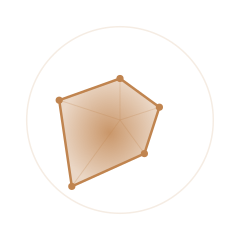
These guides take that seriously. There is one for each of the sixteen archetypes — written by hand, not stamped from a formula — covering how much solitude that type genuinely needs, when it nourishes them and when it tips into loneliness, and how they find their way back to people.
Read about yourself, or about someone you love who seems to need far more — or far less — quiet than you do.
If you do not yet know your archetype, the free test takes about five minutes. Then find your type below.
Common questions about Loneliness & Solitude
What is the difference between loneliness and solitude?
Solitude is being alone by choice, and feeling whole in it — a state most people leave feeling rested rather than deprived. Loneliness is the painful gap between the connection you have and the connection you want, and it can strike in a full room. One is a setting; the other is a feeling about that setting. Where the line falls shifts from person to person, depending partly on how much company each temperament naturally needs.
Is it normal to feel lonely even when surrounded by people?
Yes, and it is more common than most people admit. Loneliness is about being known, not about headcount, so you can sit at a lively table and still feel unseen if no one there reaches the real you. Small talk fills the air without filling the gap. It often signals a hunger for depth rather than numbers, which is why some quieter temperaments feel it most acutely in busy crowds.
How much alone time is healthy?
There is no fixed dose — the right amount is whatever leaves you returning to others willingly rather than hiding from them. A useful test is how you feel afterwards: good solitude restores your patience and clarity, while too much can flatten your mood and make reaching out feel harder. Some people thrive on hours of it daily; others wilt past an afternoon. Notice your own tipping point and respect it.
Why do I suddenly crave being alone?
Often it means your social battery has quietly run down and your mind needs room to process without an audience to manage. After intense weeks, illness, or emotional strain, the pull towards a closed door is a sensible repair instinct, not coldness towards the people you love. Honouring it usually makes you better company later. People differ sharply here, so a craving that puzzles your friends may be entirely healthy for you.
How can I enjoy my own company more?
Start by treating alone time as something to do rather than something to endure — a walk, a book, a project that absorbs you fully. The discomfort often fades once your attention has somewhere to land. It also helps to separate being alone from being rejected; they feel similar but are not the same. With practice, many people find their own company becomes a place of genuine rest rather than a waiting room for others.