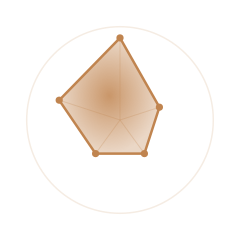
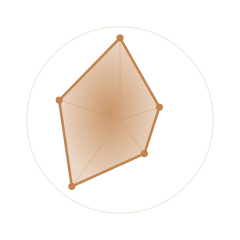
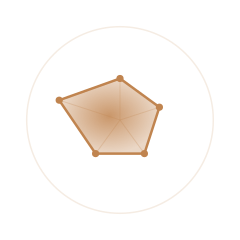
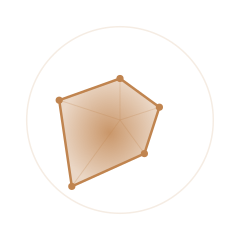
There is a particular quiet in the moment you do something genuinely well and decide not to mention it — the small private satisfaction you tuck away, half-convinced that naming it would somehow spoil it or make you look like you were fishing. And there is the opposite moment too: the flush of having said too much, claimed too loudly, and watching a room cool by a degree. Most of us live somewhere between those two, never quite sure where honest self-respect ends and ego begins. Pride is one of the trickiest things a person carries, because the very same feeling can steady you or sink you depending on how lightly you hold it.
The shape it takes differs enormously from one nature to the next. One person wears their accomplishments openly, draws real fuel from recognition, and can be wounded surprisingly deeply when it is withheld — for them, being seen is close to being valued. Another takes their deepest pride in things almost no one notices: a job done properly when nobody was watching, a principle kept at some private cost. The first risks letting pride harden into needing to win; the second risks letting humility curdle into a refusal to ever ask for credit they have plainly earned. Neither feels it less. They simply guard a different line.
Each of the sixteen archetypes has its own guide below — what they take genuine pride in, when it lifts them, and exactly where it starts to trip them up.
Read about yourself, or about the person whose quiet pride you have always admired and never quite understood — a partner, a parent, a stubborn friend.
If you do not yet know your archetype, the free test takes about five minutes. Then find your type below.
Common questions about Their Relationship with Pride
Why is pride considered both a strength and a weakness?
It depends entirely on what the feeling is doing for you. Healthy pride is simply self-respect that has earned its keep: it lets you stand by good work, set fair limits, and refuse to be treated poorly. It tips into a weakness the moment it stops you apologising, learning, or asking for help. Some people lean naturally towards the open kind and others towards the guarded kind.
Is it normal to feel proud and embarrassed about the same thing?
Completely. You can be glad you spoke up in a meeting and still cringe at the memory an hour later, because two parts of you are weighing it differently — one measuring the achievement, the other measuring how it might have looked. That tug is a sign you care about both doing well and being decent about it, which is healthier than feeling only one.
How do you tell the difference between confidence and arrogance?
Confidence tends to make room for other people; arrogance crowds them out. A confident person can hear that they were wrong without it shaking who they are, can praise a rival, and rarely needs to remind you of their wins. Arrogance, by contrast, treats every conversation as a scoreboard. Watch how someone behaves when they lose — that moment usually tells you which one you are dealing with.
How can I take pride in my work without becoming big-headed?
Keep the pride pointed at the effort rather than the applause. Notice what you did well, say it plainly to yourself, then turn your attention to whoever helped or whatever could be better next time. Sharing credit generously is the simplest guard there is. People who quietly need recognition and people who quietly refuse it both benefit from naming their wins honestly, just once, and moving on.
What does it mean when someone is too proud to ask for help?
Usually it is fear wearing armour. Asking can feel like admitting you are not coping, so the person would rather struggle alone than risk looking weak or owing anyone. The trouble is that it quietly isolates them and lets small problems grow. Reaching out is not a loss of standing; if anything, knowing when you genuinely need someone takes more steadiness than going it alone.
Builders
Practical, dependable minds who turn ideas into something real and lasting.
Any inquiryTests, your result, your report or a payment. A real person replies, usually within two working days.
How can we help? Pick a quick answer, or write to us below.
Quick answers
Our own test: 30 quick questions, about three minutes, free and with no sign-up. At the end you get your archetype — one of 16 — and a profile of how you think, love, work and grow.Take the free test →
Every type has its own in-depth profile: strengths, blind spots, careers, relationships and compatibility with the other 15. Read them free, before or after you take the test.Browse all 16 types →
Seventeen free tests in all — Big Five, Enneagram, DISC, career, attachment style, emotional intelligence, conflict style, love style, leadership, introvert-or-extrovert and more. Instant results, no account needed.Start with Big Five →
The Full Report is eleven long chapters written for your own archetype — untapped strengths, honest blind spots, love, friendship, home, work and money, and a 30-day growth plan — plus the whole thing as a PDF to keep. It is offered on your result page once you have taken the test.
Results are saved in the browser you took the test in. On a new phone, or after clearing history, use the restore prompt at the bottom of any page and enter the email you saved or paid with.
Thank you, we have your message.
Your reference:
We reply to your email, usually within two working days.
Need to add an order ID or more detail? Use the full page.