There is a specific kind of quiet that follows a no. The reply that never came, the role that went to someone else, the table you were not asked to join, the person who chose differently. For a beat, the world keeps moving and you do not — and somewhere in that pause a small voice starts narrating what the rejection means about you. Not what happened, but what it proves. That story arrives so fast it can feel like simple fact, and it is almost always the part that does the real damage, long after the actual no has been forgotten by everyone but you.
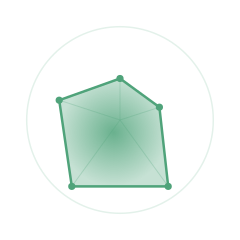
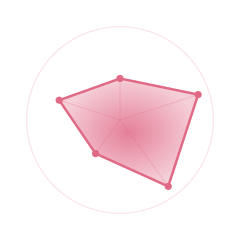
How people take a rejection tracks personality closely. The same closed door lands completely differently depending on who is standing in front of it. One person turns it straight inward, reading a single no as a verdict on their whole worth, and goes quiet rather than risk hearing it again. Another bristles outward, deciding the other party simply has poor taste, and marches off before the sting can settle — protected, but never quite letting the lesson in. One retreats and broods; the other deflects and moves on too cleanly. Neither response is wrong exactly, but each carries its own cost and its own way of keeping you stuck.
Each of the sixteen archetypes has its own guide below — how it takes being turned down, left out or passed over, the particular story it tells itself afterwards, and how it genuinely recovers and tries again.
Read about yourself to soften a story you may have been repeating for years, or about someone you know to understand why a no sits so heavily on them. If you do not yet know your archetype, the free test takes about five minutes.
Common questions about How They Handle Rejection
Why does rejection hurt so much even when it is small?
Being turned away pokes at something old: the wish to belong and be chosen. The brain treats social exclusion much like physical pain, so even a minor no can sting out of proportion to the event itself. The ache is usually less about the thing lost and more about what your mind decides it says about you. Some people feel that jolt sharply, others barely register it.
Is it normal to feel rejected over something minor?
Completely. A short reply, an unanswered message or being left off an invite can land far heavier than the facts warrant, and that does not make you fragile or dramatic. Your sense of where you stand with people is always quietly running in the background, so small signals get read as evidence. How loudly that alarm rings differs from one temperament to the next.
How do you stop taking rejection personally?
Start by separating what actually happened from the verdict you have wrapped around it. A no often reflects timing, fit or the other person’s own circumstances far more than your worth. Try naming the bare fact out loud, then question the story you have added. Talking it through with someone steady helps too, because shame shrinks fast once it leaves your own head.
What does it mean if you avoid situations where you might be rejected?
It usually means a past no left a deeper mark than you have admitted, so part of you is choosing safety over the risk of feeling it again. That instinct protects you in the short term but quietly narrows your life, keeping you from chances that might actually go well. Recognising the pattern is the first move; you do not have to leap, just stop automatically retreating.
What is the difference between handling rejection well and just hiding the hurt?
Hiding looks tidy from the outside but leaves the feeling untouched, so it tends to leak out later as resentment, avoidance or a sudden loss of confidence. Genuinely coping means letting yourself feel the disappointment, learning anything useful from it, then choosing to try again anyway. One buries the no; the other moves through it. The fast, breezy recoverers are often the ones doing the most quiet hiding.
Builders
Practical, dependable minds who turn ideas into something real and lasting.
Any inquiryTests, your result, your report or a payment. A real person replies, usually within two working days.
How can we help? Pick a quick answer, or write to us below.
Quick answers
Our own test: 30 quick questions, about three minutes, free and with no sign-up. At the end you get your archetype — one of 16 — and a profile of how you think, love, work and grow.Take the free test →
Every type has its own in-depth profile: strengths, blind spots, careers, relationships and compatibility with the other 15. Read them free, before or after you take the test.Browse all 16 types →
Seventeen free tests in all — Big Five, Enneagram, DISC, career, attachment style, emotional intelligence, conflict style, love style, leadership, introvert-or-extrovert and more. Instant results, no account needed.Start with Big Five →
The Full Report is eleven long chapters written for your own archetype — untapped strengths, honest blind spots, love, friendship, home, work and money, and a 30-day growth plan — plus the whole thing as a PDF to keep. It is offered on your result page once you have taken the test.
Results are saved in the browser you took the test in. On a new phone, or after clearing history, use the restore prompt at the bottom of any page and enter the email you saved or paid with.
Thank you, we have your message.
Your reference:
We reply to your email, usually within two working days.
Need to add an order ID or more detail? Use the full page.