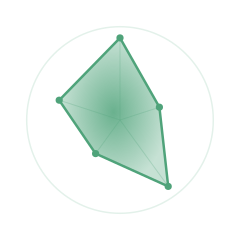
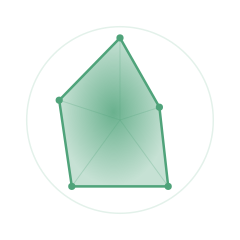
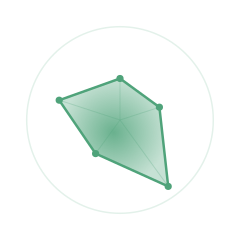
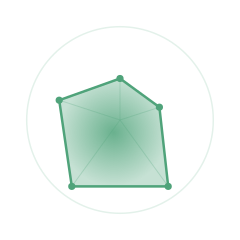
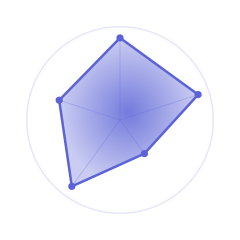
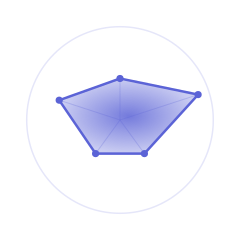
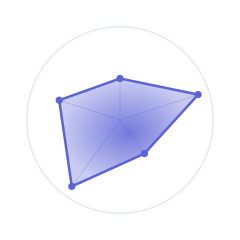
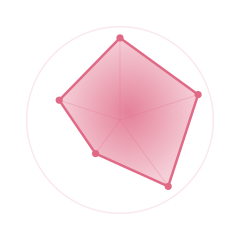
There is a moment that gives every one of us away — the one just before the leap, when the outcome cannot be known and the choice is yours alone. Some people feel a spark there, a quickening, a sense that this is exactly where life gets interesting. Others feel the floor tilt and every reason to wait crowds in at once. If you have ever been called a daredevil by people who wished you would think first, or branded too careful by people who wished you would just go, you have brushed up against the gap between how you meet uncertainty and how someone else believes you ought to.
Risk runs along the lines of personality. One person reads the unknown as an opening and moves while the door is ajar, trusting they will find their footing on the way down — and pays for that boldness by leaping at things that never deserved the jump, mistaking motion for progress. Another weighs every angle, waits for the ground to firm up, and protects what they have built with real care — and pays for that caution by standing still while the moment quietly closes. Neither instinct is the wiser one. One risks the costly mistake; the other risks the life that never quite starts.
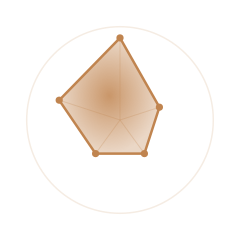
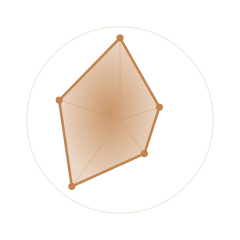
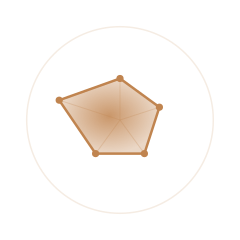
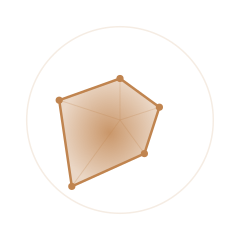
These guides take risk seriously as something personal. There is one for each of the sixteen archetypes — written individually, not stamped from a formula — and each covers the same honest ground: how that type behaves under uncertainty, where their nerve is a genuine gift, where it quietly works against them, and how they might hold steadier when the stakes are real.
Read about yourself, or about someone whose appetite for risk has always unsettled you — the partner who bets the house, the friend who never will.
If you do not yet know your archetype, the free test takes about five minutes. Then find your type below, and learn the way you were actually built to meet the unknown.
Common questions about Their Relationship with Risk
Why am I so afraid of taking risks?
Often it comes down to how heavily your mind weights a possible loss against a possible gain — for many of us, the sting of losing something feels far sharper than the pleasure of winning the same amount. Early experiences, a shaky sense of security, or simply a cautious temperament can all turn the volume up. There is nothing broken about it; it is your protective wiring doing its job, sometimes a little too loudly.
Is it normal to be a risk-taker?
Completely. A healthy appetite for uncertainty is how people start businesses, change careers, and say the brave thing out loud. Boldness only becomes a problem when the thrill of the leap matters more to you than where you land, so that motion starts standing in for actual progress. Some people are simply built to move first and steady themselves afterwards, and within reason that is a genuine strength.
How do I become more comfortable taking risks?
Start small and let evidence do the convincing. Choose low-stakes gambles where a poor result teaches you something rather than costing you dearly, and notice that you usually cope better than you feared. Naming the worst realistic outcome out loud tends to shrink it down to size. Confidence here is built through repetition, not summoned by willpower — each survived risk makes the next one feel a touch lighter.
What is the difference between taking a risk and being reckless?
A real risk is taken with your eyes open: you understand what you stand to lose, judge it worth the possible reward, and accept the odds. Recklessness skips that weighing entirely, chasing the rush while ignoring the cost. The line is not about how daring the act looks from outside, but whether genuine thought went in beforehand. Caution and courage are partners, not opposites.
Why do some people avoid risk completely?
For deeply risk-averse people, the unknown registers less as opportunity and more as threat, so the safest move is usually no move at all. It can stem from valuing stability above almost everything, from past losses that left a mark, or from a quiet belief that what they have is too precious to gamble. The hidden cost, of course, is the life that never quite gets going while they wait for certainty that rarely arrives.