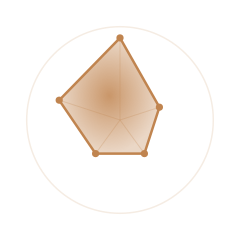
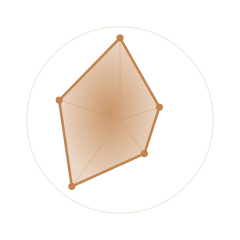
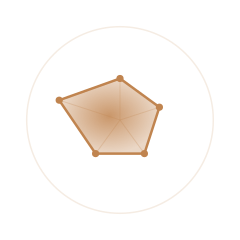
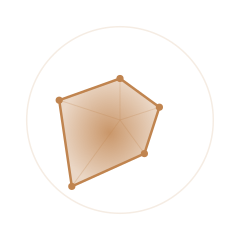
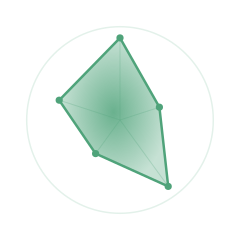
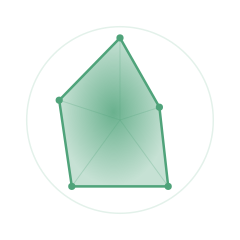
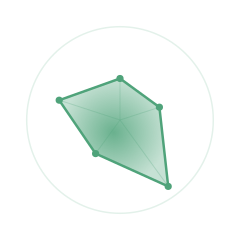
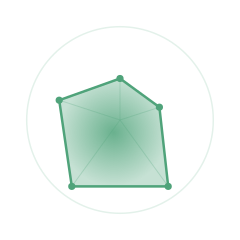
There is a quiet shame that follows a lot of people around: the sense that everyone else has some inner engine of willpower they were simply never issued. You set the intention, mean it completely, then drift off it within days — and conclude the fault must be in you. But discipline is not a single muscle that some are born with and others lack. It is a relationship between what you want and how you are built, and the person who looks effortlessly consistent is usually just well matched to the kind their nature can hold.
Self-discipline runs along the lines of personality. How you hold yourself to a promise, where your willpower is quietly iron and where it dissolves the moment you are tired, what keeps you steady and what derails you — all of it tracks your type. One person holds the line through sheer structure: rules, systems and a horror of letting anyone down, which carries them far until the system cracks and leaves no softer way to cope. Another runs on conviction rather than scaffolding, fiercely disciplined when the cause feels alive and almost unreachable when it goes cold — brilliant in bursts, baffled by the long flat middle. Neither is the strong one and neither the weak; they are simply consistent in opposite ways, each with its own way of falling off.
These guides take self-discipline seriously as something personal. There is one for each of the sixteen archetypes — written individually, not stamped from a formula — and each covers the same honest ground: how that type holds themselves to things, where their discipline is strong or fragile, and what keeps them on track.
Read about yourself, or about someone whose follow-through has always puzzled you — a partner, a friend, a colleague who never quite finishes — and a good deal falls into place.
If you do not yet know your archetype, the free test takes five minutes. Then find your type below, and learn the kind of discipline you can keep.
Common questions about Their Self-Discipline
Why do I have no self-discipline?
You almost certainly do have it — just not evenly spread. Most people are iron about the things that matter to them and slippery everywhere else, which feels like having none at all when the slippery bits are the ones you keep judging. Tiredness, vague goals and tasks that clash with how you naturally work drain it fastest. It is rarely a character flaw and far more often a mismatch between the method and the person.
Is self-discipline a skill or a personality trait?
It is mostly a skill resting on a base of temperament. Some people are wired to find routine soothing and others find it stifling, so the same habit costs them very different amounts of effort. But the practical part — small steps, clear cues, removing friction — can be learned by anyone, regardless of starting point. Your nature sets the difficulty; your methods decide whether you actually get there.
How do I stop procrastinating and stay disciplined?
Shrink the task until starting feels almost silly to avoid, then begin before you feel ready rather than waiting for motivation that may never arrive. Make the right choice the easy one: leave the kit out, hide the distraction, set one tiny deadline. Procrastination usually hides a feeling — boredom, fear, overwhelm — so naming that often loosens it faster than scolding yourself does. Different temperaments stall for different reasons.
What’s the difference between motivation and discipline?
Motivation is the spark — that genuine wish to act that comes and goes with your mood, the weather and your sleep. Discipline is what carries you on the grey days when the spark has gone out entirely. Relying on motivation alone means you only move when you feel like it; building discipline means the action no longer needs your enthusiasm to happen. One is a feeling, the other a habit you can lean on.
Is it normal to lose self-discipline as you get older or stressed?
Yes, and it says nothing bad about you. Willpower draws on the same limited reserves as decision-making and emotion, so stress, poor sleep, grief or simple overload will thin it out for anyone. People often read a hard patch as proof they have “gone soft,” when really their resources are stretched. The honest fix is usually rest and fewer demands, not more pressure — and how quickly you bounce back varies by personality.