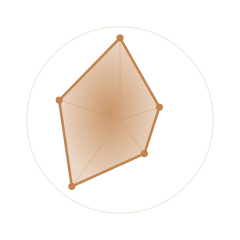
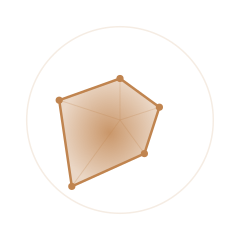
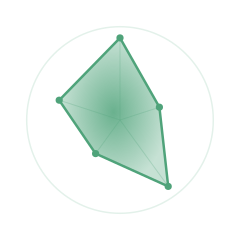
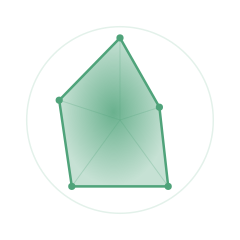
How Each Personality Archetype Feels and Handles Shame
There is a particular kind of heat that has nothing to do with the room. It arrives uninvited — after a mistake, a memory, an offhand remark you can’t unhear — and where ordinary regret would say that was a poor choice, this whispers something colder: there is something wrong with you. You want to disappear, to undo the fact of being seen at all. Most of us know that feeling far better than we’d ever say aloud, and most of us assume we’re the only one carrying it.
Shame is not guilt. Guilt points at a thing you did and asks you to mend it; shame points at you and offers nothing to fix, only someone to hide. And how it grips you, what sets it off, and what you do once it lands all follow your personality closely. For one kind of person shame turns inward and goes silent — they retreat, perform flawlessly, and let no one close enough to glimpse the flaw they’re certain is there. For another it turns outward as defensiveness or sudden anger, because being exposed feels so unbearable that pushing people away seems safer than letting them look. One hides by vanishing; the other hides by lashing. Neither feels less; they simply cannot bear the same kind of being seen.
Each of the sixteen archetypes has its own guide below — what shames them, how they conceal or quietly process it, and how it has shaped who they’ve become.
Read about yourself to understand the heat you’ve carried alone, or about someone you love to see why they hide, or harden, when they feel exposed. If you do not yet know your archetype, the free test takes about five minutes.
Common questions about How They Handle Shame
What is the difference between guilt and shame?
Guilt is about an action: “I did something bad,” which leaves room to apologise and put things right. Shame goes deeper, telling you “I am bad,” so there is nothing to repair, only a self to hide. That distinction matters because guilt tends to motivate repair, while shame more often drives concealment. People differ in which one they reach for first when something goes wrong.
Why do I feel ashamed for no reason?
Often there is a reason, just an old or buried one. A small slip in the present can quietly echo a moment from years ago when you felt exposed or found lacking, and the body responds to the echo rather than the facts. It can also surface when you are tired, unwell, or running low on the reassurance you need. Naming the trigger usually shrinks it.
Is feeling shame normal?
Yes, it is one of the most ordinary human experiences, even though almost everyone believes they are uniquely afflicted by it. In small doses it helps us read social signals and stay connected to the people we care about. It only becomes a problem when it stops being a passing feeling and hardens into a permanent verdict about your worth. Some people are simply more prone to it than others.
How do you let go of shame?
Begin by saying the thing out loud to one person who has earned your trust, because shame relies on silence and rarely survives being spoken kindly. Then separate the deed from the self: you can have made a poor choice without being a poor person. Self-compassion is not letting yourself off the hook; it is the steadier ground from which real change becomes possible.
What does it mean when someone gets angry instead of admitting shame?
Anger is frequently a shield. When being seen at fault feels unbearable, pushing others away can feel safer than letting them look closely, so the discomfort comes out as defensiveness or a raised voice rather than an admission. It usually signals that the person feels cornered, not that they lack remorse. Recognising this can help you respond to the hurt underneath rather than the heat on the surface.
Builders
Practical, dependable minds who turn ideas into something real and lasting.
Any inquiryTests, your result, your report or a payment. A real person replies, usually within two working days.
How can we help? Pick a quick answer, or write to us below.
Quick answers
Our own test: 30 quick questions, about three minutes, free and with no sign-up. At the end you get your archetype — one of 16 — and a profile of how you think, love, work and grow.Take the free test →
Every type has its own in-depth profile: strengths, blind spots, careers, relationships and compatibility with the other 15. Read them free, before or after you take the test.Browse all 16 types →
Seventeen free tests in all — Big Five, Enneagram, DISC, career, attachment style, emotional intelligence, conflict style, love style, leadership, introvert-or-extrovert and more. Instant results, no account needed.Start with Big Five →
The Full Report is eleven long chapters written for your own archetype — untapped strengths, honest blind spots, love, friendship, home, work and money, and a 30-day growth plan — plus the whole thing as a PDF to keep. It is offered on your result page once you have taken the test.
Results are saved in the browser you took the test in. On a new phone, or after clearing history, use the restore prompt at the bottom of any page and enter the email you saved or paid with.
Thank you, we have your message.
Your reference:
We reply to your email, usually within two working days.
Need to add an order ID or more detail? Use the full page.