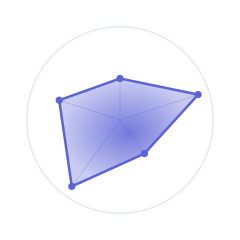
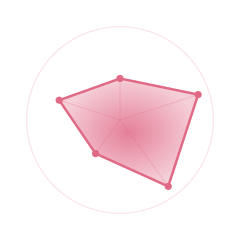
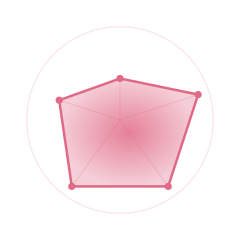
There is the basket you meant to fill and the basket you actually carry to the till, and the gap between them tells a small truth about you. Maybe you are the one who researches a kettle for three days, reads every review, and still hesitates at the checkout — or the one who walked in for milk and walked out with a coat, a plant, and a faint, pleasant fog of regret. Either way, the way you shop is rarely about the things. It is about what buying them does to you: the brief lift, the second-guessing, the quiet satisfaction of a decision finally made.
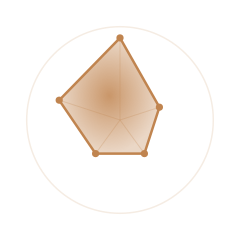
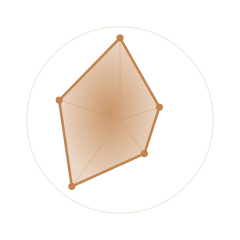
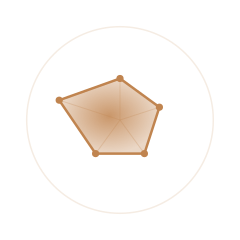
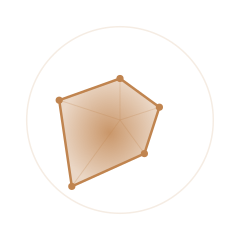
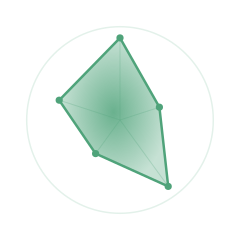
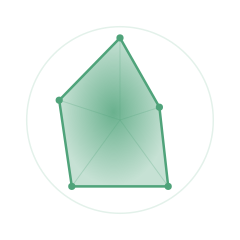
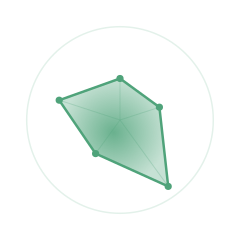
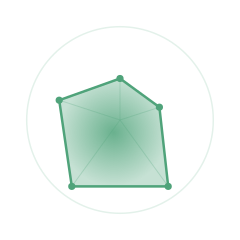
Shopping runs along the lines of personality. One person treats every purchase as a problem to be solved correctly — they scrimp on the everyday and agonise before committing, then feel a clean rush of relief when the right thing is finally theirs. Another shops on feeling, splurging on whatever brightens the moment and barely noticing the small leaks, because for them a purchase is a mood, not a maths problem. One is buying certainty. The other is buying a feeling. Neither is wiser; they simply hand over money for different reasons, and feel different things on the way home.
Each of the sixteen archetypes has its own guide below — what they splurge on, what they refuse to pay for, and how the act of buying actually lands for them.
Read about yourself, or about the person whose shopping has always baffled you — a partner forever returning things, a friend who never buys anything at all — and it starts to make sense.
If you do not yet know your archetype, the free test takes about five minutes. Then find your type below.
Common questions about How They Shop
Why do I impulse buy when I’m stressed?
A quick purchase offers an instant sense of control and a small hit of pleasure, which is soothing when everything else feels uncertain. Your brain learns that buying briefly lifts the mood, so it reaches for that lever again. Noticing the pattern is half the cure: pause, name the feeling, and the urge often loosens its grip on its own.
Is it normal to research a purchase for weeks before buying?
Completely. Plenty of people find genuine comfort in gathering information until they feel confident they’ve made the right choice, and there’s nothing wrong with that. It only becomes a problem when the research itself causes more stress than the decision deserves. Some of us are simply wired to buy certainty, while others happily buy on instinct.
How can I stop overspending without feeling deprived?
Rather than banning treats, give yourself a clear, generous limit for fun spending each month, then enjoy it guilt-free. Small frameworks beat willpower: a short cooling-off period before big buys, an unsubscribe from tempting emails, cash for everyday extras. The aim isn’t punishment but freedom, so the spending you do choose actually feels good afterwards.
What does the way you shop say about your personality?
Quite a lot, gently. Whether you scrimp and agonise or splurge on a whim tends to reflect how you handle decisions, risk and comfort more broadly. A careful shopper often values security and getting things right; a spontaneous one chases the feeling of the moment. Neither approach is better, they just reveal what you’re really paying for underneath.
What’s the difference between a need and a want when buying?
A need keeps your life running, food, a working phone, warm clothes, while a want adds pleasure or status without being essential. The honest test is asking what genuinely changes if you skip it. Blurring the two isn’t a character flaw; many of us reframe wants as needs to ease the guilt, and simply spotting that gives back the choice.