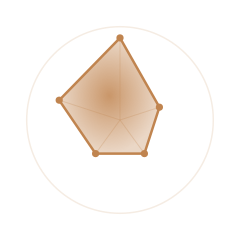
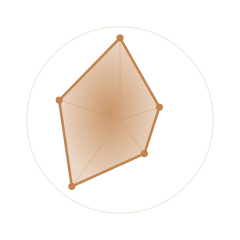
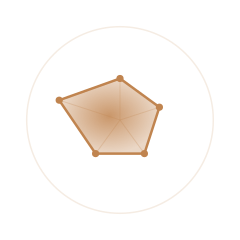
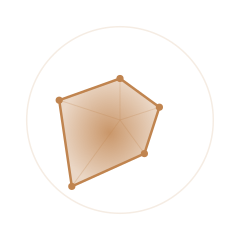
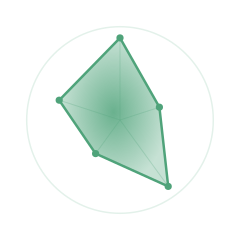
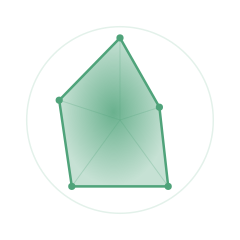
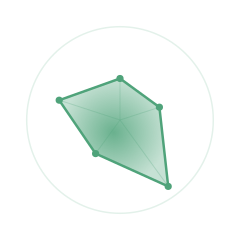
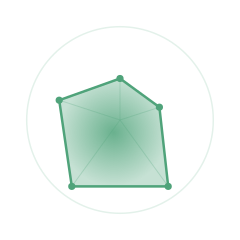
There is a particular kind of tired that no one warns you about. You can have a wonderful evening — good people, real laughter, nothing gone wrong — and still drive home feeling like a phone at four per cent, aching for a quiet room. Or the opposite: you can spend a free day exactly as you planned, alone and undisturbed, and by nightfall feel oddly flat, restless, hungry for a voice that isn’t your own. Neither reaction is a flaw. It is simply where your battery is wired to charge — and once you see it, a hundred small confusions about yourself suddenly make sense.
Social energy tracks your personality more closely than almost anything else. Two people can love the very same friends and still need them in completely different doses. One refills in company — conversation is oxygen, an empty calendar feels like a slow leak, and thinking out loud with others is how ideas actually form. The other refills in solitude — a long stretch of nobody-needing-anything is the deep repair, and too much togetherness, however lovely, slowly drains the tank. Same warmth, same care, opposite wiring. Most clashes over “you never want to go out” or “you always want to be alone” are really just two batteries on different charging cycles.
These guides take that seriously. There is one for each of the sixteen archetypes — written individually, not stamped from a formula — covering how that type recharges, how much company they genuinely need, and how their social energy shapes their days and relationships.
Read about yourself, or about someone you are forever trying to read correctly — a partner, a flatmate, a child who needs more (or far less) than you do.
If you do not yet know your archetype, the free test takes about five minutes. Then find your type below.
Common questions about Introvert or Extravert
What is the difference between an introvert and an extravert?
The clearest distinction is how each person recovers their reserves. An extravert tops up by being among others, finding a buzzing room genuinely restorative, while an introvert tops up in quiet and feels depleted by too much company, however enjoyable. It is about where you draw stamina from, not whether you are shy or outgoing. Most archetypes lean one way but keep a foot in both camps.
Can you be both an introvert and an extravert?
Plenty of people sit comfortably in the middle, sometimes called ambiverts. They might happily host a lively dinner one night and crave a silent weekend the next, adjusting to mood and circumstance rather than a fixed setting. If you have never felt at home in either label, that is probably why. Where an archetype lands on this spectrum tends to be a tilt rather than an absolute.
Why do I feel drained after socialising even when I enjoy it?
A good time and a tiring time are not opposites. For many people, holding conversation, reading faces and staying engaged quietly burns reserves, so the flatness afterwards reflects effort spent, not a problem with the company. Rest usually restores it within a day. This pattern is common among those whose wiring leans towards solitude, and it says nothing about how much they value their friends.
Is it normal to need a lot of time alone?
Wanting regular stretches of solitude is healthy and widespread, not a sign of anything being wrong. Some people simply do their best thinking, resting and resetting without others around, and protecting that time keeps them steadier in relationships rather than distant. The amount each person needs varies enormously, and there is no correct dose. Trouble only arises when solitude tips into avoiding people you actually miss.
How can I tell if I am an introvert or an extravert?
Picture a free evening after a heavy week and notice what genuinely appeals. If calling a friend or heading out sounds like relief, you likely lean extravert; if a quiet night by yourself sounds like the real reward, you probably lean introvert. Watch your honest pull, not what you think you should want. Many people fall somewhere between, and a short questionnaire can sharpen the picture.