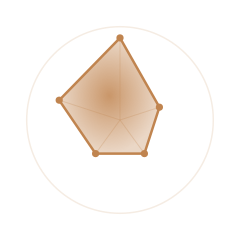
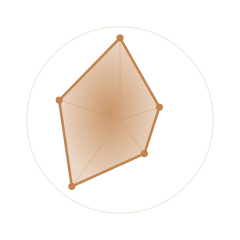
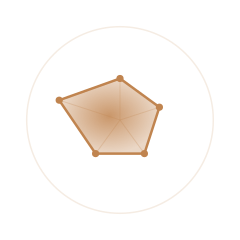
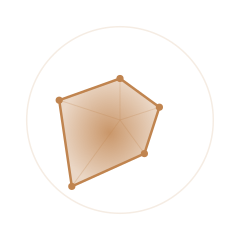
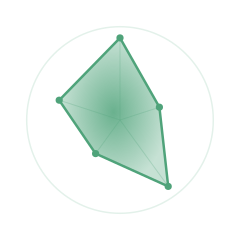
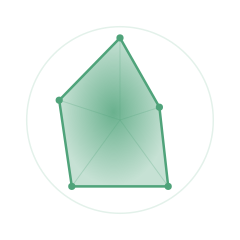
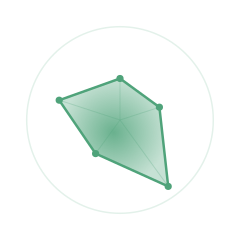
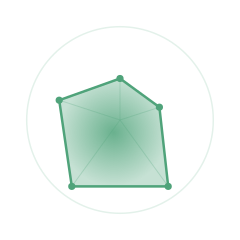
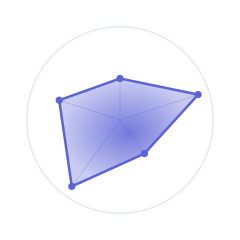
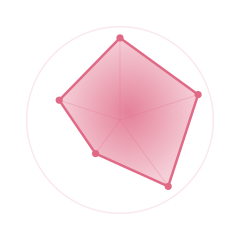
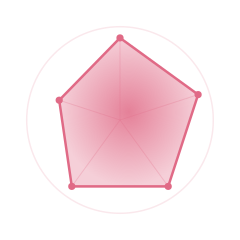
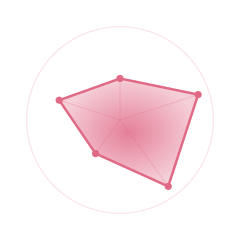
Someone suggests dropping everything and going — right now, no plan, see where the day takes you. In that single beat, before you have weighed a thing, you already know which way you lean. Some people feel a lift, as if a window has swung open. Others feel a small clench, a quiet need to know where they would sleep and what they would miss. Neither answer is chosen; it arrives ahead of thought. If you have ever been called a stick-in-the-mud by someone who lives for the unplanned, or exhausting by someone who needs the day mapped out, you have run straight into the gap between how you meet the unexpected and how someone else assumes everyone should.
Spontaneity runs along the lines of personality. One person reads an empty afternoon as an invitation — they improvise easily, change course on a whim, and feel most alive when nothing is fixed — and pay for that freedom by leaving plans half-finished and others guessing. Another reads the same afternoon as something to shape — they want a structure to lean on, a sense of what comes next — and pay for that comfort by tensing up when life refuses to stick to the plan. One fears being boxed in; the other fears being unmoored. Neither is freer.
These guides take spontaneity seriously as something personal. There is one for each of the sixteen archetypes — written individually, not stamped from a formula — and each covers the same honest ground: a type’s instinctive pull towards the unplanned or the mapped-out, where it serves them, and where it quietly costs them.
Read about yourself, or about someone whose relationship with a sudden change of plan has always puzzled you — the partner who books nothing, the friend who plans a coffee three weeks out.
If you do not yet know your archetype, the free test takes about five minutes. Then find your type below, and learn the way you were built to meet a day that refuses to be planned.
Common questions about How Spontaneous They Are
Why are some people more spontaneous than others?
A lot of it comes down to how the brain weighs reward against risk. Some people get a stronger buzz from novelty and a fresh situation, so an open-ended plan feels exciting rather than threatening. Others find more comfort in knowing what comes next, so they slow down to think it through. Upbringing and past experiences shape this too, and personality differences make the pull stronger in one direction or the other.
Is it normal to not be a spontaneous person?
Completely normal, and far more common than the loudest voices suggest. Preferring to know the plan, book ahead and ease into change is simply a different way of moving through life, not a flaw or a sign of being uptight. Plenty of warm, adventurous people just need a little runway first. The trick is noticing when caution is protecting you and when it is quietly holding you back.
How can I become more spontaneous without feeling anxious?
Begin small, where the stakes are low. Say yes to a last-minute coffee, take an unplanned route home, or leave one evening a week deliberately blank. Each tiny risk that turns out fine teaches your nervous system that uncertainty is survivable. Keep one or two anchors in place, like a rough budget or a way home, so you stretch without feeling unmoored. Confidence grows from repetition, not from forcing a leap.
What does it mean if someone is too spontaneous?
Usually it means their love of the moment is starting to cost them and the people around them. Plans get dropped, commitments slip, and others are left scrambling to fill the gaps. The instinct itself is healthy, but without any structure it can read as unreliable rather than free. The aim is not to crush the impulse but to give it a frame, so freedom does not turn into chaos for everyone else.
What is the difference between being spontaneous and being impulsive?
Spontaneity is openness to the unplanned with some sense of the cost, like cheerfully changing weekend plans because something better appeared. Impulsivity skips that pause entirely, acting on a sudden urge before weighing what follows, which is why it more often brings regret. One keeps a light hand on the wheel, the other lets go of it. Knowing which you tend towards helps you enjoy the freedom without the wreckage.