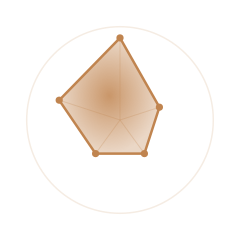
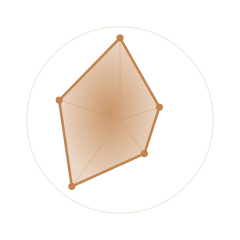
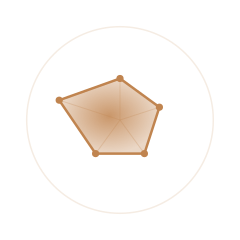
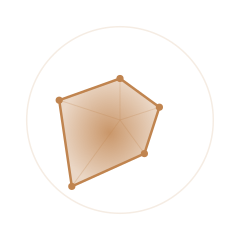
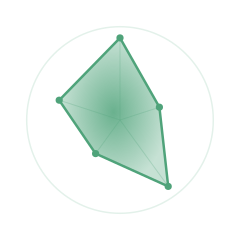
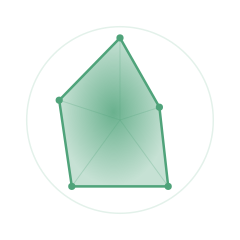
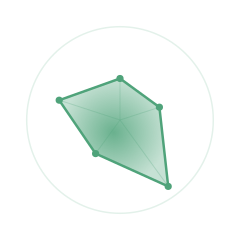
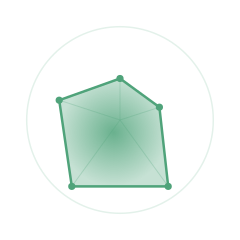
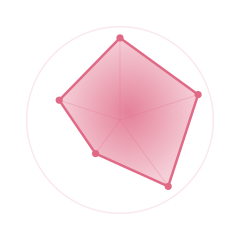
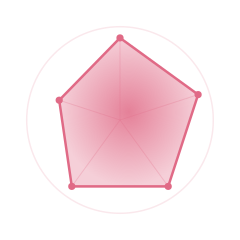
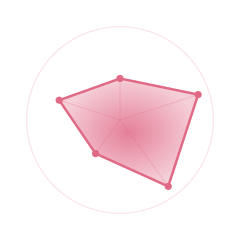
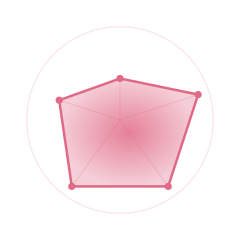
You knew, halfway through the argument, that you might be wrong. And you kept going anyway. There is a particular moment where the point stops being about the point — where backing down would feel less like learning and more like losing, so you plant your feet and refuse to move an inch. Sometimes that stubbornness is the best thing about you: the spine that holds a line nobody else will, the conviction that outlasts every fashionable opinion. And sometimes it is just pride wearing the costume of principle, and you know it, and you dig in regardless.
Where that line falls runs deep along the grain of personality. One person is stubborn about ideas — they will weigh evidence patiently, change their plans without fuss, yet go immovable the instant a core belief is challenged. Another is the reverse: easy-going about principles, happy to be persuaded in theory, but utterly unbudgeable once they have committed to a way of doing things. The first holds firm on what they believe; the second on how they live. Both think of themselves as reasonable. They simply guard different territory, and what they refuse to surrender quietly tells you what they hold sacred.
These guides take that seriously. There is one for each of the sixteen archetypes — written individually, not stamped from a formula — naming when they dig in, where it is genuine conviction rather than mere obstinacy, and what actually changes their mind.
Read about yourself, or about someone you love who never seems to give an inch.
If you do not yet know your archetype, the free test takes about five minutes. Then find your type below.
Common questions about How Stubborn They Are
Why are some people so stubborn?
Digging in usually protects something underneath: a value, a fear of looking foolish, or a memory of being overruled and regretting it. The brain treats changing course as a small loss, so it resists. Some people guard their beliefs fiercely while bending easily on plans, and others do the opposite, which is why two stubborn people can clash over completely different things.
Is being stubborn a bad thing?
Not in itself. The same trait that makes someone exhausting in a disagreement is what lets them hold a difficult line when everyone else caves. The trouble starts when refusing to budge stops serving anything real and becomes pride defending itself. A good test is honest: are you protecting a principle, or just your own need to be right?
How do you deal with a very stubborn person?
Pushing harder almost always backfires, because it turns the conversation into a contest they cannot afford to lose. Try giving them room to shift without losing face, ask what they are worried about rather than telling them they are wrong, and find the smaller point you genuinely agree on. People relax their grip far more readily when they no longer feel cornered.
What is the difference between being stubborn and being determined?
Determination keeps moving towards a goal and welcomes a better route to get there; stubbornness clings to one particular way regardless of whether it still works. Determination listens, adjusts, and persists. Stubbornness stops listening once it has committed. The line is whether new information can still reach you, or whether the decision has quietly become unchangeable.
Can a stubborn person change?
Yes, though rarely through being argued into it. What tends to soften a fixed position is feeling safe enough to reconsider, seeing the cost of holding firm add up over time, or being trusted rather than pressured. Most people loosen their grip in their own time and on their own terms, which is slower than you would like but far more lasting.
Builders
Practical, dependable minds who turn ideas into something real and lasting.
Any inquiryTests, your result, your report or a payment. A real person replies, usually within two working days.
How can we help? Pick a quick answer, or write to us below.
Quick answers
Our own test: 30 quick questions, about three minutes, free and with no sign-up. At the end you get your archetype — one of 16 — and a profile of how you think, love, work and grow.Take the free test →
Every type has its own in-depth profile: strengths, blind spots, careers, relationships and compatibility with the other 15. Read them free, before or after you take the test.Browse all 16 types →
Seventeen free tests in all — Big Five, Enneagram, DISC, career, attachment style, emotional intelligence, conflict style, love style, leadership, introvert-or-extrovert and more. Instant results, no account needed.Start with Big Five →
The Full Report is eleven long chapters written for your own archetype — untapped strengths, honest blind spots, love, friendship, home, work and money, and a 30-day growth plan — plus the whole thing as a PDF to keep. It is offered on your result page once you have taken the test.
Results are saved in the browser you took the test in. On a new phone, or after clearing history, use the restore prompt at the bottom of any page and enter the email you saved or paid with.
Thank you, we have your message.
Your reference:
We reply to your email, usually within two working days.
Need to add an order ID or more detail? Use the full page.