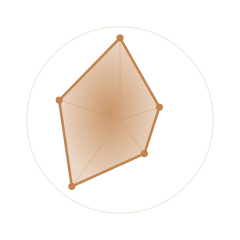
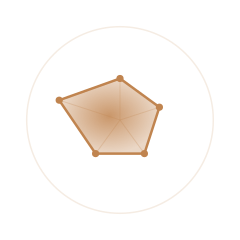
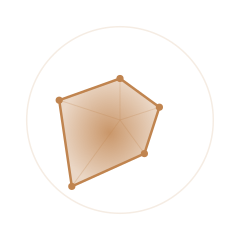
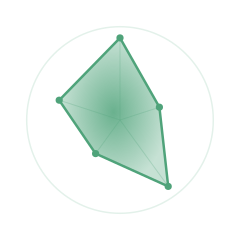
There is a quiet tell in how someone handles a new device. The person who pre-orders the gadget and reads the manual for fun. The one who clings to a cracked phone for years because it still works, thank you very much. The thirty-seven open tabs, the inbox at zero or at four thousand, the notifications silenced or obeyed like a summons. You might call it a preference, but it runs deeper than that — your relationship with technology is one of the most honest portraits of how you meet anything new, demanding and faintly overwhelming. And most of us have never stopped to ask why we are the way we are with our screens.
Technology pulls on personality more than on age or income. One type races towards every update, treating each new tool as a door into a bigger life, and feels a little stranded without the latest thing. Another approaches the same device warily, suspicious of the upgrade, happiest when a tool simply gets out of the way and lets them think. One feels expanded by their gadgets; the other feels colonised by them, forever one notification from losing the thread. Same glowing rectangle — opposite effects. And each tends to find the other baffling: reckless, or hopelessly behind.
That is why each of the sixteen archetypes has its own guide below — written individually, not stamped from a template — covering whether that type leads or resists, how tech steadies or scatters them, and what their habits with screens quietly reveal.
Read about yourself, or about someone whose phone habits have always puzzled you — and a great deal starts to make sense.
If you do not yet know your archetype, the free test takes about five minutes. Then find your type below.
Common questions about Their Relationship with Technology
Why am I so addicted to my phone?
The pull is by design, not weakness. Feeds, likes and notifications are engineered to deliver tiny, unpredictable rewards, and the brain keeps reaching for the next one. Stress, boredom and loneliness make the reach harder to resist. Naming what you are actually after — distraction, soothing, connection — and meeting that need another way loosens the grip far better than guilt ever will.
Is it normal to feel anxious without my phone?
Completely, and you are in good company. For most people the device now holds maps, money, messages and memories, so leaving it behind can feel like leaving part of your mind. That flicker of unease has a name, nomophobia, and it fades with practice. Short, deliberate gaps away from the screen usually shrink the worry rather than feeding it.
How do I have a healthier relationship with technology?
Start by deciding what you want the screen to do for you, then shape the device around that. Mute non-essential notifications, keep tempting apps off the home screen, and carve out a charging spot away from the bed. Small frictions beat grand bans. Some people thrive on strict rules; others do better with gentle nudges, so pick the style that genuinely fits your temperament.
What does my screen time say about me?
Less than the raw number suggests. Four hours spent learning, creating or staying close to people you love is worlds apart from four hours of restless scrolling. Look at how the time leaves you feeling rather than the total alone. Patterns matter too: some reach for devices to explore and connect, others to switch off, and both can be perfectly healthy in moderation.
What is the difference between using technology and being controlled by it?
It comes down to who is steering. Using it well means you open a tool for a reason and set it down when the job is done, still in charge of your attention. Being controlled by it means the device sets the agenda — pulling you in unbidden, fragmenting your focus, leaving a faint hollowness behind. The honest test is whether you could walk away right now without a twinge.