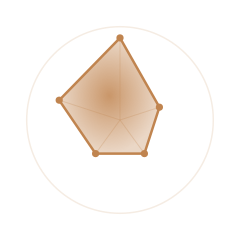
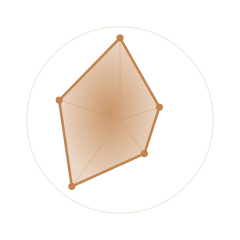
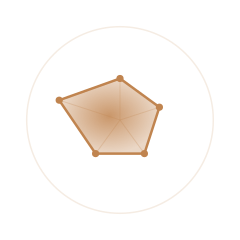
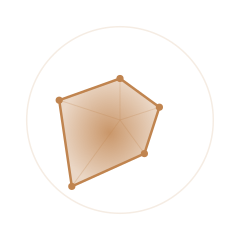
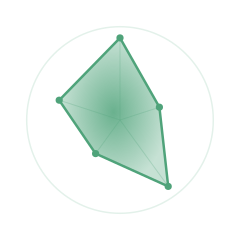
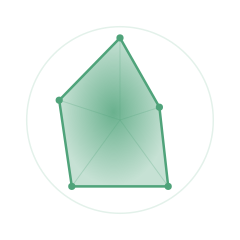
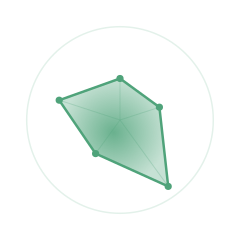
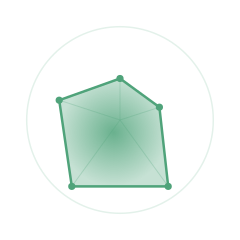
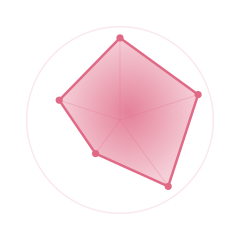
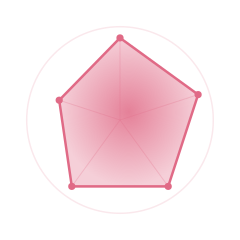
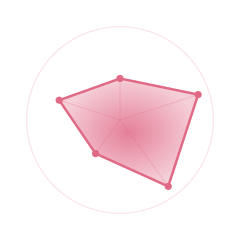
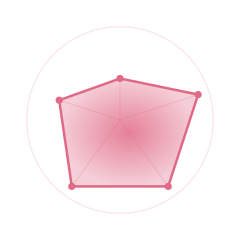
There is a moment most of us recognise: the offer that looks perfect on paper — more money, a better title, the sensible choice everyone nods along to — and yet something in you refuses it, quietly and absolutely, for a reason you struggle to put into words. That refusal is not stubbornness. It is your values speaking, the bedrock layer of you that decides what is worth having and what is not worth the cost. Most people never name this layer outright, and so they end up bewildered by their own choices — staying when leaving made sense, walking away from things they were supposed to want. The truth is that underneath the daily noise, each of us is guided by one or two principles we will not compromise on, and almost everything we build sits on top of them.
What sits at that core differs sharply from one person to the next. One kind of person holds freedom and honesty above all — they would rather have an uncomfortable truth and an open door than a comfortable cage, and they will trade security for it again and again. Another treasures loyalty and belonging more than anything — they will give up options, opportunities, even a measure of their own freedom to keep the people they love close and safe. Neither is wiser than the other. But hand them the same decision and they will walk in opposite directions, each certain, each protecting something the other barely notices.
That is why each of the sixteen archetypes has its own guide below — written individually, not stamped from a formula — naming what that type holds sacred, the line it will not cross, and how those values quietly shape the life it builds.
Read about yourself to understand your own non-negotiables, or about someone you love to see what they are truly protecting. If you do not yet know your archetype, the free test takes about five minutes.
Common questions about What They Value Most
How do I figure out what I actually value?
Watch where your time, money and attention go when nobody is grading you, then notice which choices left you proud and which left you hollow. The things you defend without rehearsing an argument tend to be real. Writing down a few decisions you would make again, even knowing the cost, surfaces the pattern faster than any quiz can.
Why do my values change as I get older?
They tend to settle rather than swap. What shifts is usually the ranking: a twenty-year-old may put adventure on top and security low down, then quietly reverse the order after a few hard winters. Big events, becoming a parent, a loss, a long illness, often promote a principle that was always there but unspoken. Different temperaments re-order at different speeds.
Is it normal to have values that conflict with each other?
Completely. Most of us hold honesty and kindness, or freedom and loyalty, and life regularly forces a choice between them. The discomfort you feel in those moments is not a flaw, it is the cost of caring about more than one thing. Knowing which one you would sacrifice when pushed tells you far more about yourself than listing them ever will.
What is the difference between a value and a preference?
A preference bends when the price gets high enough; a value holds the line even when keeping it hurts. You might prefer comfort yet still value courage, which is why you act against your own ease sometimes. A useful test: if breaking it would leave you ashamed rather than merely inconvenienced, you are looking at a value, not a taste.
How do values affect the decisions we make?
They work like a quiet filter beneath the obvious pros and cons, which is why two sensible people weighing the same offer can walk away certain of opposite answers. When a choice feels wrong despite the maths adding up, a value is usually being asked to bend. Naming it turns a vague unease into a clear reason you can actually act on.